Early version. New games are on the way.

LEARN BY PLAYING

Learn it by playing it.

Step into a moment in history, a puzzle or an experiment. Make the choices yourself, and find out why things turned out the way they did.

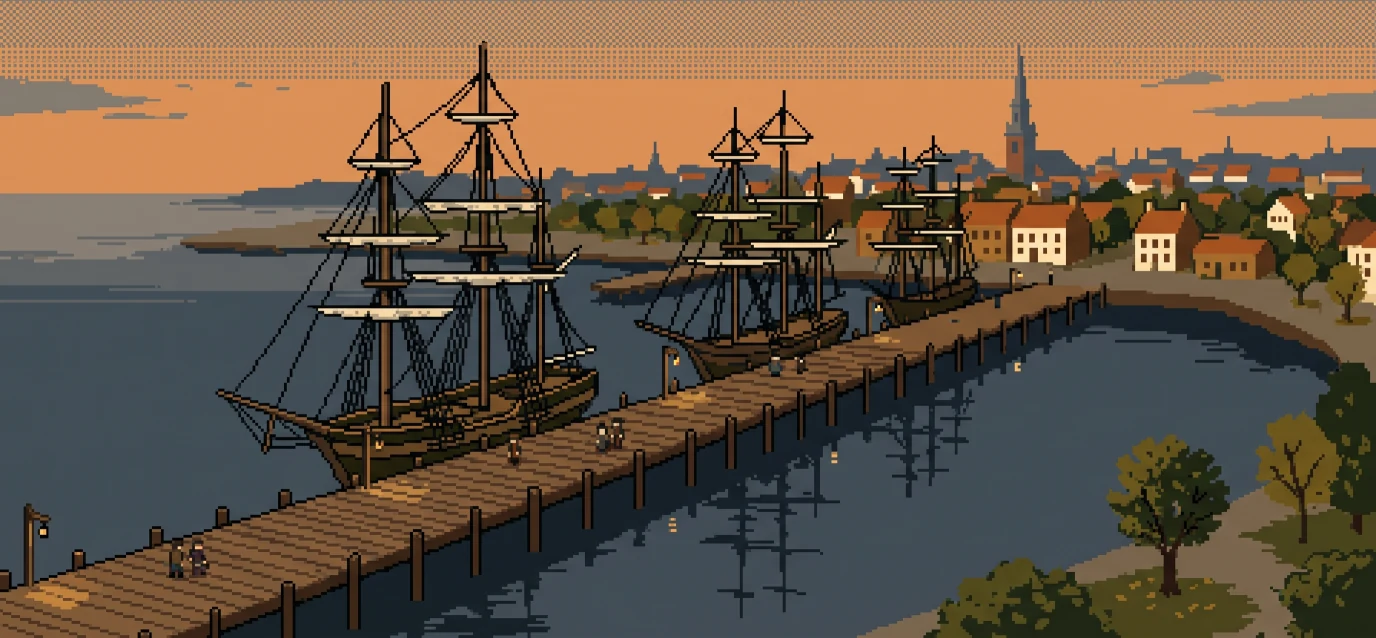
Three tall sailing ships tied up along a wooden wharf at dusk in Boston harbour.PLAY NOWTwenty Days · Boston, 1773

Games you can play.

PLAYABLE NOW

Twenty Days

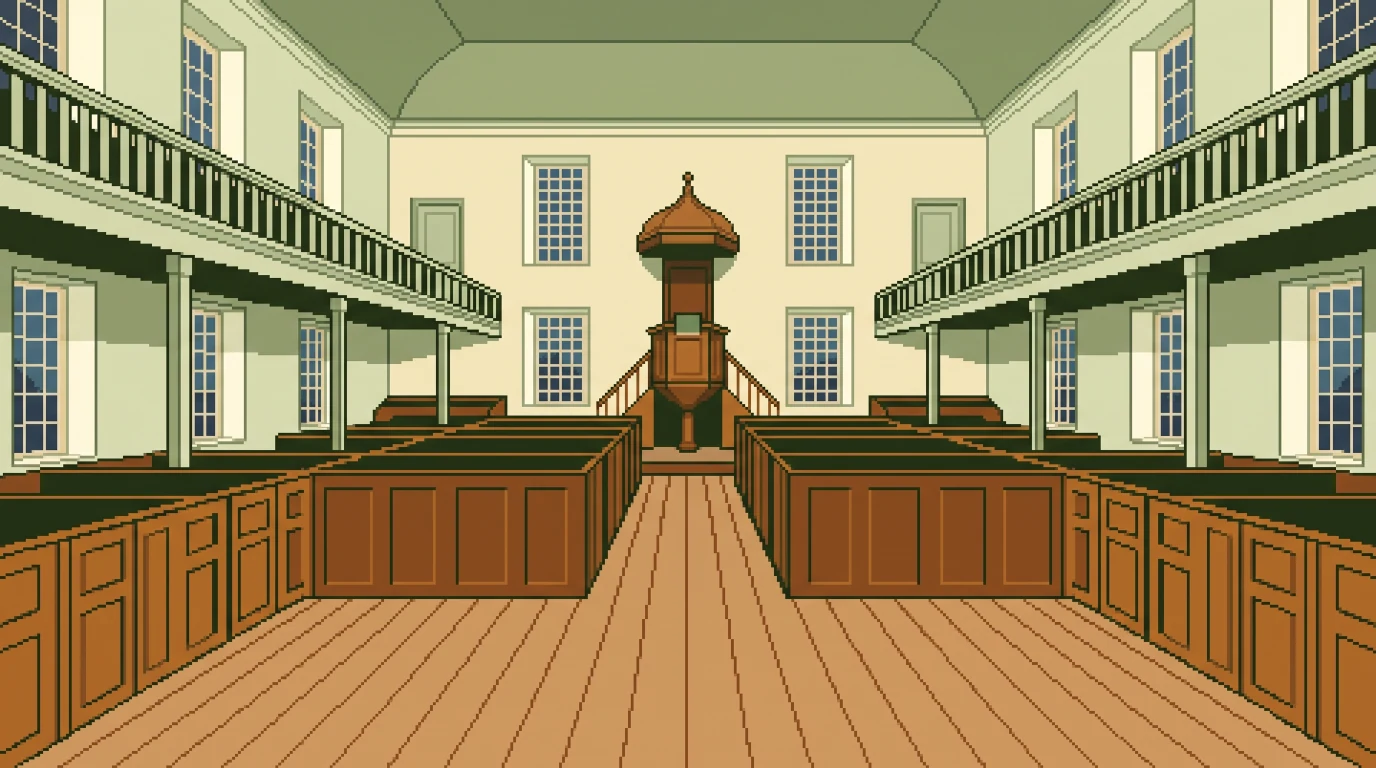
Boston, 1773. A ship full of tea has arrived, and a clock is running. Play Samuel Adams or the King's governor, walk the streets, talk to the people there, and decide what to do. Then find out what really happened, and why.

Starts with a five-minute read. Plays in your browser. No sign-up.

Play Twenty Days
Coming next

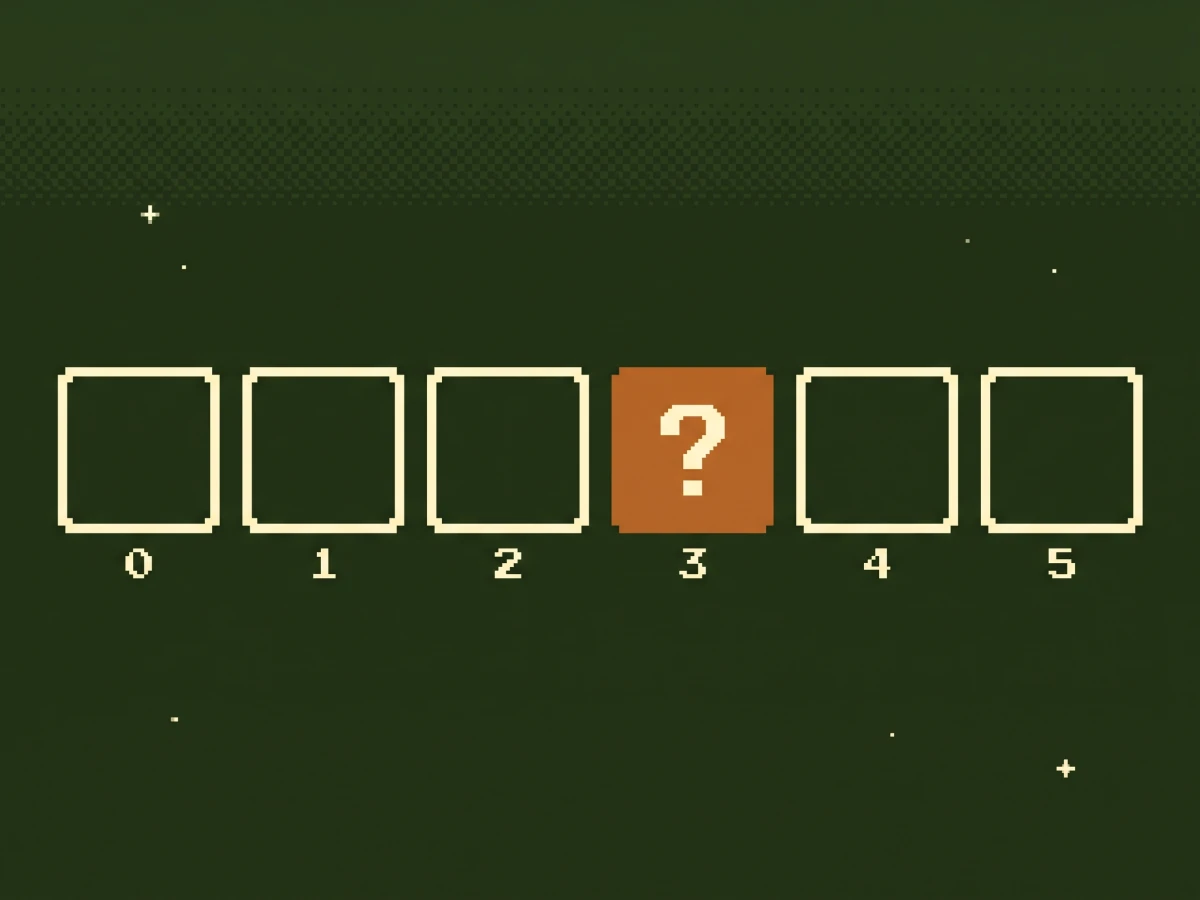
A row of six empty boxes numbered 0 to 5, with box 3 filled in orange and marked with a question mark.

COMING SOON · COMPUTER SCIENCE

Arrays

How a computer keeps a list, and why it starts counting at zero. Learn the idea in a short explainer, then take over a hotel front desk and see it work.

  • COMING SOON

    More moments in history

    Other turning points, played from the inside.

  • COMING SOON

    Science you can try out

    Run the experiment and see what happens.

  • COMING SOON

    Puzzles in maths and logic

    Move the pieces until the idea makes sense.

  • Nothing assumed

    Every game explains what you need to know, in plain words, as you go.

  • Honest about the evidence

    Facts come with their sources, and where historians disagree, the game says so.

  • Try again

    Get something wrong and you are shown why, then sent back to have another go.

Play. See. Understand.

  1. Pick a game.

    Each one puts you inside a moment, a puzzle or a problem worth understanding.

  2. Make the choices.

    Walk around, talk to the people there, and decide what to do. You learn by acting, not only by reading.

  3. Find out why.

    The game shows what really happened and why. Get it wrong and you are sent back to try again.

WHY MAIN DIAGONAL

The straight line from here to there.

On a grid, the main diagonal is the line from one corner to the opposite corner. It is the shortest way across. We want to be that for learning: the straight line from what you know to what you want to understand.

Step into Boston, 1773.

A ship, a deadline, and two sides who cannot both get what they want.

Plays in your browser. No sign-up.